
What the site workflow needs to show
Every lead should have a study, source, owner, status, blocker, and next action. Without those pieces, coordinators spend too much time rebuilding context.
A focused resource hub for research sites organizing clinical trial recruitment operations, lead ownership, stale leads, records readiness, screening visits, and sponsor updates.
Review how TrialsNest helps sites route patient interest, work the coordinator queue, manage records, schedule visits, and report progress.
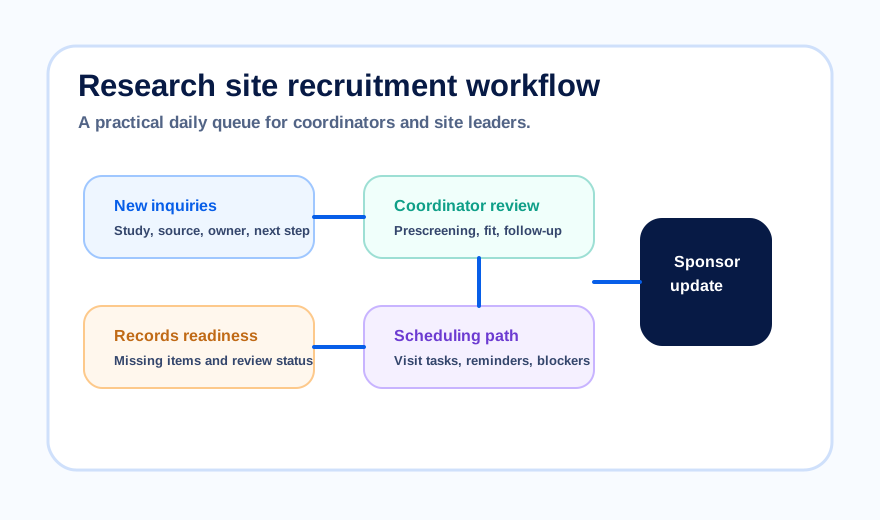
Every lead should have a study, source, owner, status, blocker, and next action. Without those pieces, coordinators spend too much time rebuilding context.
Sites often lose momentum around unowned inquiries, unclear prescreen status, missing records, no-response leads, scheduling constraints, and sponsor updates that are rebuilt by hand.
Use the examples and scorecards to review the real queue, identify workflow gaps, and decide which fixes would help coordinators and sponsors at the same time.
Start with the highest-intent guides, then move into implementation, examples, and supporting comparisons.
A practical SLA guide for clinical trial recruitment teams defining response timing, prescreen review, records requests, scheduling readiness, stale-lead review, and sponsor escalation points.
A guide to using automation in clinical trial recruitment without removing human review, including intake, reminders, prescreen organization, records readiness, scheduling, and eligibility boundaries.
An operating model for site network recruitment governance, shared standards, local ownership, escalation cadence, source review, and sponsor-ready reporting.
A clear recruitment workflow for sites that want to organize patient interest, prescreening, records, scheduling, and sponsor updates without scattered spreadsheets.
Real-world clinical trial recruitment workflow examples for research sites managing patient intake, prescreening, records readiness, scheduling, and sponsor updates.
A practical audit scorecard for research sites reviewing clinical trial recruitment intake, prescreening, follow-up, records readiness, scheduling, reporting, and trust workflows.
A practical example of how a small research site can organize patient recruitment across three active studies, shared coordinators, prescreening, records, scheduling, and sponsor updates.
A practical operations example for small research sites managing clinical trial recruitment with limited coordinator time, shared responsibilities, patient follow-up, records readiness, and sponsor updates.
A before-and-after guide showing how research sites can move from scattered clinical trial recruitment work to a clearer workflow for intake, prescreening, records, scheduling, and reporting.
An example stale-lead recovery workflow for clinical trial sites that need clearer ownership, follow-up timing, records readiness, and close-out decisions.
A site operations checklist for connecting patient records, missing documents, review status, and visit readiness before scheduling clinical trial screening appointments.
A practical workflow for handling medical-record needs before clinical trial screening visits, including patient expectations, coordinator ownership, and privacy boundaries.
Operational steps research sites can use to reduce screening no-shows through clearer expectations, reminders, records readiness, and patient-friendly follow-up.
Essential cookies keep the site working. Optional cookies help improve traffic and regional insights.